
The world of app-based transportation can feel like alphabet soup: Uber, Lyft, Didi, Grab, Bolt, BlaBlaCar, Zipcar, and the list goes on. If you’ve ever wondered whether to tap the “Solo” button or the “Share” button or maybe rent a car for the afternoon, you’re not alone. The big question usually boils down to ride hailing vs. ride sharing and which one fits your next trip.
Here is a quick answer for you:
Ride hailing = you book a private driver on demand.
Ride sharing = you share the same car and route with strangers heading the same way.
Ride-hailing is faster and more private, but it costs more.
Ride sharing is cheaper and greener, but can take longer.
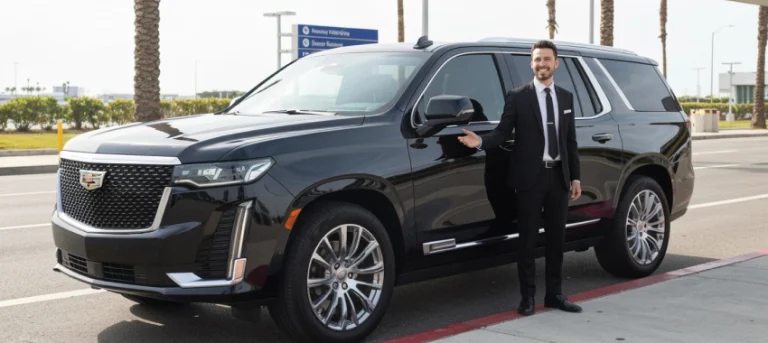
If you want full control, consider booking a premium car service.
In the rest of this guide, we’ll break down each service in simple words, compare costs, comfort, and eco-impact, add quick tips, and help you decide which button to tap next time.
Prebooking a car service comes with many perks, such as:
Below, we’ll unpack these advantages and a few more one by one. We’ll also sprinkle in quick tips, caution flags, and handy resources so you can prebook your next ride like a pro.
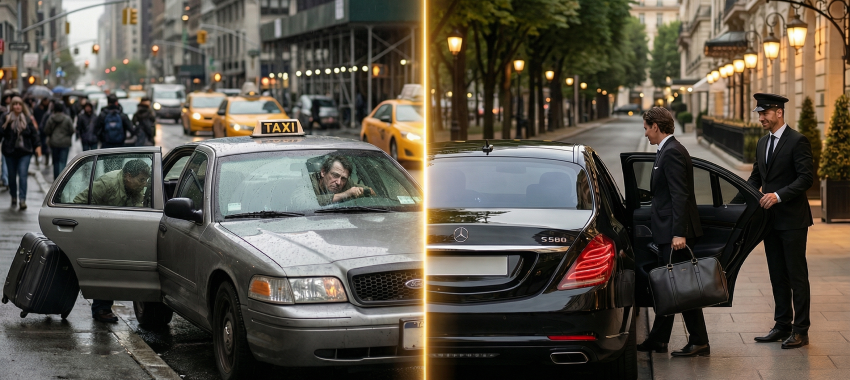
Ride-hailing is an on-demand taxi summoned with your phone instead of a hand wave. An app matches you with a professional driver who is paid to take only you (or your invited friends) straight to your destination. octalsoftware.com
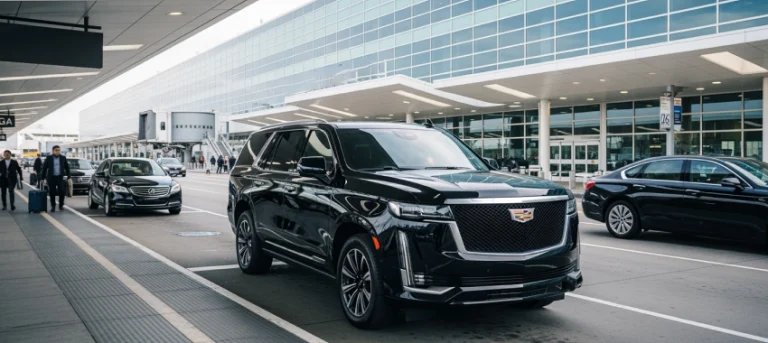
The experience often feels upscale: the car arrives curbside, you pick the music, and travel in complete privacy. Apps such as Uber Black, Lyft Lux, or Bolt Premium push the luxury angle even further with leather seats and bottled water.
Ride-hailing trips made up the majority—about 65 %—of all app-booked rides in the United States, meaning most “rideshare” apps function more like fancy taxis than true sharing. ecolane.com
Ride sharing (sometimes called “pooled rides”) groups multiple riders headed in the same direction. Think of it as tech-enabled carpooling. The driver or the platform designs the route so everyone hops in and out along the way. atommobility.com
Because seats and fuel costs are shared, fares drop—often 20%–40 % cheaper than a solo ride. The trade-off? A slightly longer journey, detours for other passengers, and less privacy.
| Feature | Ride Hailing | Ride Sharing |
|---|---|---|
| Privacy | Private car just for you | Share with strangers |
| Cost | Higher | Lower |
| Wait Time | Usually shortest | Can be longer (extra pickups) |
| Eco Footprint | More emissions per rider | Fewer emissions per rider |
| Luxury Options | Premium tiers (e.g., Uber Black) | Rare |
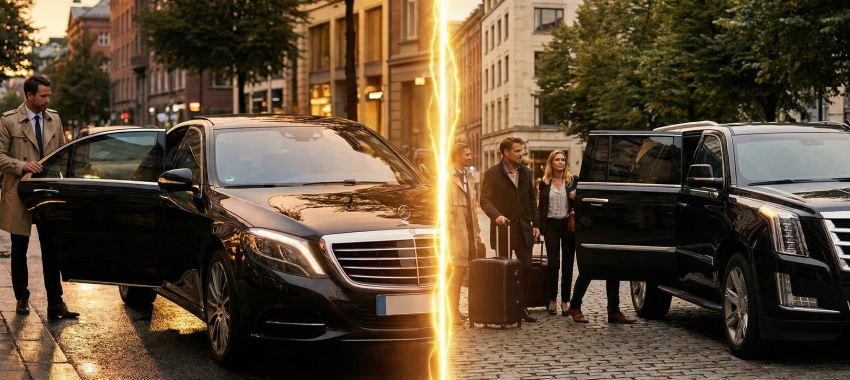
With ride hailing, you control the playlist, temperature, and even the car category (sedan, SUV, luxury). No extra pickups mean a smoother vibe—perfect for airport runs, client meetings, or date night.
Booking a premium tier during surge pricing can double the fare. Set a fare alert or wait 10 minutes if the app shows bright-red pricing signals.
Ride sharing can still feel comfortable, but you may squeeze next to a stranger’s grocery bags. If luxury is your top priority, ride hailing wins hands-down.
Ride-hailing apps calculate fares by base fee + time + distance + demand. Because you foot the whole bill, prices rise quickly during rush hour.
Ride sharing splits that same fare across riders, so your share shrinks, sometimes to bus-ticket prices on busy corridors. If budget ranks higher than speed or privacy, ride sharing is the wallet-friendly pick.
A 2025 study found that pooled rides were 33% cheaper on average across five major U.S. cities compared with private app rides. atommobility.com
If you care about your carbon footprint, choose a shared ride or check if the app offers electric vehicle options. Some platforms even show estimated CO₂ saved when you pick “Share.”
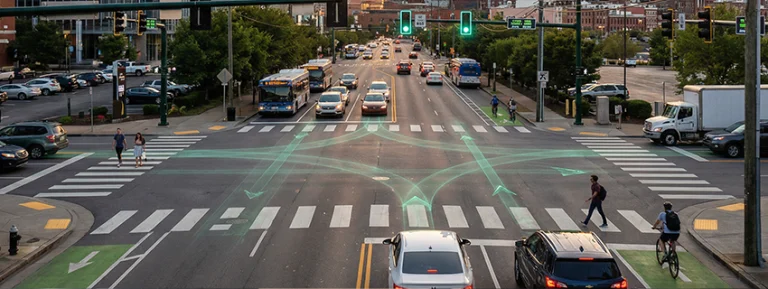
Every private ride adds a car to the road. Meanwhile, shared rides and carpools can cut vehicle miles traveled, fuel use, and carbon emissions. Cities with high sharing adoption report fewer cars downtown and smoother traffic. octalsoftware.comecolane.com
Car sharing lets you rent a vehicle by the hour—think of it as a self-drive option built on app technology. Unlike ride-hailing, you drive. Unlike ride sharing, you don’t pick up strangers. It’s perfect for grocery runs, day trips, or errands that need multiple stops. drivemond.app.
Fuel, parking fees, and potential fines are on you. Always read the mileage and insurance rules before unlocking that cute hatchback.
Asia-Pacific remains the largest and fastest-growing region for ride hailing, thanks to megacities like Shanghai, Mumbai, and Jakarta. mordorintelligence.com
Market Trends and the Future (2025 – 2030)
Industry analysts peg the global ride-hailing market at USD 203 billion in 2025, with forecasts hitting USD 322 billion by 2030—a steady 9.6 % annual growth. mordorintelligence.com.
Several factors power this climb: urbanization, smartphone penetration, and a growing appetite for on-demand convenience. Electric fleets, autonomous vehicles, and AI-optimized routing could slash wait times and emissions even further.
Car sharing, meanwhile, is picking up speed in dense cities where private parking is scarce. Analysts expect a compound annual growth rate above 15 % through 2035. futuremarketinsights.com
Shared rides also suffer when driver supply is low, sometimes leading to cancellations. Always have a backup (bus line, subway, or a friend with wheels).
Ride-hailing surge pricing can spike fares 2–3× within minutes during storms, concerts, or sporting events. To avoid sticker shock, check multiple apps or wait until the surge indicator fades. atommobility.com
Choosing between ride hailing and ride sharing is less about tech jargon and more about what you value on a given day: speed, privacy, cost, or sustainability.
If you crave quiet comfort and door-to-door speed, tap that private ride. If you want to save money and the planet, go shared. Need your own wheels? Try car sharing.
Whichever you pick, you’re now equipped to make a confident, wallet-smart, and eco-aware decision the next time your thumb hovers over that big “Request” button. Happy travels!

Tags
Share this post
MAJOR Airports
TOP STATES